
The Secrets Behind Authentic Italian Recipes
- Diana Testa
- Feb 17
- 4 min read
Updated: Mar 11
Italian cuisine is beloved worldwide for its rich flavors, fresh ingredients, and comforting dishes. But what truly makes an Italian recipe authentic? Many people enjoy Italian food, yet few understand the elements that preserve its authenticity. This post explores the key factors that define genuine Italian recipes, helping you appreciate and recreate the true taste of Italy in your own kitchen.

The Importance of Regional Roots
Italy’s culinary identity is deeply tied to its regions. Each area has its own specialties shaped by geography, climate, and history. Authentic Italian recipes respect these regional differences rather than blending them indiscriminately.
Northern Italy favors butter, rice, and polenta, with dishes like risotto and osso buco.
Central Italy is known for hearty soups, cured meats, and simple pasta dishes such as spaghetti alla carbonara.
Southern Italy emphasizes olive oil, tomatoes, and fresh seafood, with classics like pizza Margherita and pasta alla Norma.
Understanding where a recipe comes from helps maintain its authenticity. For example, using cream in a carbonara is a common mistake outside Italy, but traditional Roman carbonara uses only eggs, Pecorino Romano cheese, guanciale (cured pork cheek), and black pepper.
Fresh, High-Quality Ingredients Are Essential
Italian cooking relies on the quality of its ingredients rather than complex techniques or heavy sauces. Authentic recipes use fresh, seasonal produce and traditional products.
Olive oil is the preferred fat, especially extra virgin olive oil, prized for its flavor and health benefits.
Cheeses like Parmigiano-Reggiano, Pecorino Romano, and mozzarella di bufala are used in specific dishes.
Herbs such as basil, rosemary, and oregano are added fresh to enhance flavor.
Vegetables and fruits are often sourced locally and used at peak ripeness.
For example, a true Caprese salad uses ripe tomatoes, fresh mozzarella, basil leaves, a drizzle of olive oil, and a pinch of salt—no extra dressings or spices.
Simple Techniques with Respect for Tradition
Authentic Italian cooking values simplicity and technique passed down through generations. Recipes often have few steps but require attention to detail.
Pasta dough is kneaded and rested properly to achieve the right texture.
Sauces are cooked slowly to develop flavor without overpowering the main ingredients.
Ingredients are combined thoughtfully to balance taste and texture.
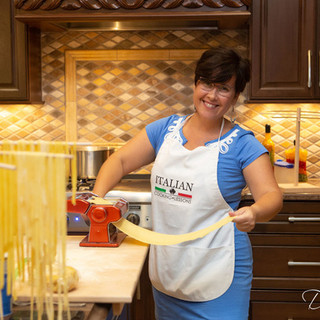
Take the example of making fresh pasta by hand. The dough is made with just flour and eggs, kneaded until smooth, rested to relax the gluten, then rolled and cut. This process creates a tender pasta that holds sauce perfectly.
The Role of Time and Patience
Many authentic Italian dishes require time to develop their full flavor. Slow cooking, marinating, and resting are common practices.
Slow-simmered ragù can take several hours to reach the right consistency and depth.
Doughs for bread and pizza often need long fermentation for better texture and flavor.
Marinated vegetables and cured meats develop complexity over days or weeks.
Rushing these steps compromises authenticity. For example, Neapolitan pizza dough ferments for at least 24 hours to achieve its characteristic lightness and chewiness.
Respect for Seasonality and Simplicity
Italian cuisine celebrates the natural rhythm of the seasons. Authentic recipes highlight ingredients at their freshest and simplest.
Spring dishes might feature artichokes, asparagus, and peas.
Summer recipes use tomatoes, zucchini, and fresh basil.
Autumn brings mushrooms, chestnuts, and pumpkins.
Winter includes hearty greens, citrus fruits, and root vegetables.
This respect for seasonality ensures dishes are vibrant and flavorful without relying on heavy sauces or artificial additives.
The Cultural Connection
Authentic Italian recipes are more than just food; they reflect culture, family, and tradition. Meals are often shared experiences, with recipes passed down and adapted lovingly.
Recipes tell stories of local customs and celebrations.
Cooking methods reflect the lifestyle and resources of the region.
Ingredients often have symbolic or historical significance.
For example, the traditional Easter dish “Colomba Pasquale” (Easter dove cake) symbolizes peace and renewal, connecting food to cultural meaning.
Common Mistakes That Break Authenticity
Many popular Italian dishes outside Italy have been altered, sometimes unintentionally, losing their authentic character.
Adding cream to carbonara or Cacio e Pepe
Using pre-shredded cheese instead of freshly grated.
Overloading pizza with toppings instead of focusing on quality dough and sauce.
Using dried herbs instead of fresh ones.
Avoiding these mistakes helps preserve the true flavors and textures of Italian cuisine.
How to Bring Authentic Italian Cooking Home
You don’t need to be a professional chef to enjoy authentic Italian food. Here are practical tips:
Source quality ingredients from local markets or specialty stores.
Learn basic Italian cooking techniques like making fresh pasta or risotto.
Follow traditional recipes closely before experimenting.
Use fresh herbs and seasonings.
Respect cooking times and avoid shortcuts.
Discovering recipes from different regions of Italy can significantly enrich your understanding and appreciation of the country's diverse culinary landscape. Diana offers authentic recipes that pay homage to traditional methods, sourcing ingredients from specialized Italian stores to ensure authenticity. Additionally, she hosts olive oil tastings, providing you with the opportunity to savor genuine Italian olive oil. Classes tend to fill up quickly, so be sure to secure your spot! Explore her schedule today!


Comments