
TRADITIONS: MY NONNA'S CHRISTMAS RAVIOLI
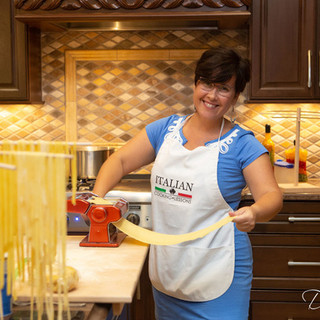
The holiday season brings many cherished traditions, but few are as heartwarming and delicious as my Nonna’s Christmas ravioli. Every year, her kitchen fills with the rich aroma of fresh pasta and savory fillings, creating a sense of warmth and togetherness that defines the spirit of Christmas. This post explores the story behind this special dish, the process of making it, and why it remains a beloved tradition in our family.
The Heart of the Tradition
For my family, Christmas is not just about gifts or decorations; it’s about gathering around the table and sharing food made with love. My Nonna’s ravioli is the centerpiece of our holiday feast. The recipe has been passed down through generations, each adding their own touch while preserving the dish's essence.
The tradition started decades ago in a small Italian village where my Nonna grew up. Every Christmas Eve, families would come together to prepare homemade pasta, a labor-intensive but rewarding task. This communal cooking was a way to bond and celebrate the season. Today, even though we live far from that village, the ritual continues in our home.

Preparing the Dough and Filling
Making Nonna’s Christmas ravioli is a hands-on experience that requires patience and care. The dough is simple but must be just right—soft enough to roll thin but strong enough to hold the filling without breaking.
Ingredients for the Dough:
3 cups of Flour 00
3 large eggs
A pinch of salt
The dough is kneaded until smooth and elastic, then rested to relax the gluten. This step is crucial for easy rolling and shaping.
The filling is what makes these ravioli unique. Nonna’s recipe calls for a blend of ricotta cheese, spinach, and a hint of nutmeg. The spinach is sautéed lightly to remove excess moisture, ensuring the filling stays creamy and flavorful.
Filling Ingredients:
1 cup ricotta cheese
1 cup cooked spinach, drained and chopped
1/4 teaspoon nutmeg
Salt and pepper to taste
Grated Parmesan cheese for extra richness
Mixing the filling is a delicate balance. Too much moisture can cause the ravioli to burst during cooking, so every ingredient is measured carefully.
The Art of Shaping Ravioli
Shaping the ravioli is where the tradition truly shines. Nonna’s kitchen becomes a workshop filled with laughter and stories as family members gather to help. Using a rolling pin or pasta machine, the dough is rolled into thin sheets. Small spoonfuls of filling are placed evenly across the sheet, then covered with another sheet of dough.
Sealing the edges requires a gentle but firm touch. Nonna uses a fork to press the edges, creating a decorative pattern that also helps prevent leaks. Each ravioli is then cut into perfect squares or circles, depending on the family’s preference.
This process is more than just making food—it’s a shared experience that connects generations. Children learn from elders, and everyone contributes to the festive atmosphere.
Cooking and Serving
Once shaped, the ravioli are cooked in boiling salted water for just a few minutes until they float to the surface. This signals they are perfectly cooked—tender but firm.
Nonna serves the ravioli with a simple sauce that complements the filling without overpowering it. Usually, it’s a sage and butter sauce, made by melting butter and frying fresh sage leaves until crispy. The sauce is poured over the ravioli, and a sprinkle of Parmesan finishes the dish.
This simplicity highlights the quality of the ingredients and the care taken in preparation. The first bite is always a reminder of home, family, and the joy of Christmas.
Why This Tradition Matters
In a world that moves quickly, traditions like Nonna’s Christmas ravioli offer a moment to slow down and appreciate what truly matters. The dish is a symbol of family unity, cultural heritage, and the joy of creating something together.
For many, the holidays can feel stressful or commercialized. But this tradition brings focus back to connection and love. It teaches patience, teamwork, and respect for the past.
Tips for Making Your Own Christmas Ravioli
If you want to try making ravioli like Nonna’s, here are some practical tips:
Use fresh, high-quality ingredients for the best flavor.
Don’t rush the dough resting time; it makes rolling easier.
Keep the filling dry to avoid soggy ravioli.
Seal edges well to prevent filling from leaking.
Cook ravioli in plenty of boiling water and watch for them to float.
Pair with a simple sauce like sage butter or a light tomato sauce.
Making ravioli can be a fun activity to share with family or friends, turning cooking into a festive event.
Keeping the Tradition Alive
Every year, as Christmas approaches, the anticipation of Nonna’s ravioli grows. Even family members who live far away make the recipe in their own kitchens, sharing photos and stories. This tradition adapts but never loses its heart.
Food traditions like this remind us that holidays are about more than just celebration—they are about preserving memories and creating new ones. Nonna’s Christmas ravioli is a delicious way to keep family close, no matter the distance.

Comments