
A Step-by-Step Guide to Mastering Classic Cacio e Pepe Pasta
Updated: Nov 3, 2025
Cacio e Pepe is more than just a traditional Roman dish—it's a beautiful example of how simple ingredients can create an unforgettable meal. This pasta dish draws on the fundamentals of Italian cooking and is perfect for both experienced chefs and beginners alike. With just a few ingredients, you can prepare a meal that will impress your family and friends. Let’s dive into how you can master Cacio e Pepe and add this classic dish to your culinary repertoire.
The Essence of Cacio e Pepe
Cacio e Pepe translates to "Pecorino Romano and pepper," highlighting its core components. The dish requires three main ingredients: pasta, Pecorino Romano cheese, and freshly cracked black pepper. This meal is often a go-to for Roman families and can be prepared in under 20 minutes, making it an ideal option for busy weeknights or cozy dinners.
The secret to a perfect Cacio e Pepe lies in mastering the technique. Cooking the pasta al dente is crucial, and creating a creamy sauce by emulsifying the cheese with pasta water is essential. With some practice, you'll transform this simple dish into a gourmet experience that dazzles the palate.
Ingredients You'll Need
Gather these specific ingredients to create a delightful Cacio e Pepe:
Pasta: 250 g of spaghetti or tonnarelli (look for high-quality brands as they yield better texture)
Pecorino Romano cheese: 2 1/2 cups (100g), finely grated (using authentic Roman cheese can enhance flavor)
Freshly cracked black pepper: 2 teaspoons (freshly cracked delivers a more robust flavor compared to pre-ground)
Salt: to taste for the pasta water
Using top-notch ingredients, especially the cheese, is critical because it sets the flavor profile of the entire dish.

Step 1: Cooking the Pasta
Begin by filling a large pot with water and adding a generous amount of salt. As a general rule, aim for about one tablespoon of salt for every 4 liters of water; this ensures the pasta is seasoned from the inside out.
Bring the water to a boil and add the pasta. Follow the package instructions for cooking time, which is typically around 9-11 minutes for spaghetti. Before draining, reserve about 1 cup of pasta water. This starchy water is vital to achieving the desired creaminess of the sauce.
Step 2: Preparing the Cheese and Pepper
While the pasta cooks, prepare the cheese and pepper blend. In a large mixing bowl, combine the finely grated Pecorino Romano cheese with the freshly cracked black pepper. Ensure they are mixed well; an even distribution of pepper throughout the cheese enhances the dish's overall flavor.
This step is key as it melds the flavors of the cheese and pepper into a robust base for your sauce.
Step 3: Combining Pasta and Sauce
Once you've drained the pasta, add it to the bowl with the cheese and pepper mixture while it’s still hot. This heat helps melt the cheese, making it creamy. Slowly pour in the reserved pasta water, about 1/4 cup at a time, while vigorously tossing the pasta with tongs or a pasta fork.
Keep adding the pasta water as needed until the sauce reaches a smooth and creamy consistency. If you find your sauce is too thick, don’t hesitate to add more pasta water; this is the lifeblood of your sauce.
Step 4: Serving Your Cacio e Pepe
Serve the Cacio e Pepe immediately for the best experience. Garnish it with an extra sprinkle of freshly cracked black pepper and a generous grating of Pecorino Romano on top. For an elegant touch, consider drizzling a bit of high-quality olive oil over the dish before serving. This not only elevates the flavors but adds a delightful sheen.
Tips for Perfecting Your Cacio e Pepe
Quality Ingredients: Always choose high-quality Pecorino Romano cheese. The cheese significantly impacts the overall dish, so ensure it is authentic and of high quality, ideally well-aged.
Pasta Water: The leftover pasta water is your best friend. It's crucial for achieving that creamy texture, so remember to save some of the pasta water every time you cook pasta!
Tossing Technique: Using tongs or a pasta fork allows you to effectively toss the pasta and thoroughly coat it in the cheese and pepper sauce. This prevents clumping and ensures that each strand is evenly coated with flavor.
Wrapping Up
Mastering classic Cacio e Pepe is a rewarding culinary pursuit that showcases the artistry of Italian cooking. Its simple ingredients and straightforward technique show that sometimes less truly is more.
With this guide, you're ready to roll up your sleeves and create a dish that is perfect for a casual night in or a gathering with friends and family. Enjoy the process and savor every bite of your homemade Cacio e Pepe—it's sure to be a crowd-pleaser! Buon appetite!
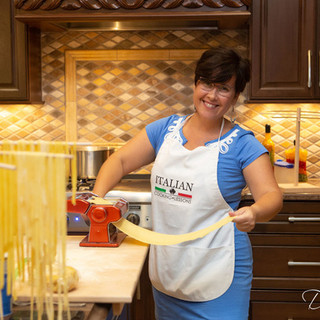
If you want to learn how to make the traditional Roman dish Cacio e Pepe, you should definitely consider attending one of Diana's cooking classes. Diana is renowned for her exceptional culinary skills, particularly in classic Italian cuisine. Her passion for cooking shines through in her teaching, making her classes both informative and enjoyable.
To find out when you can join one of her sessions, check Diana's calendar for the schedule. The calendar is regularly updated with new classes, including various dates and times to accommodate different schedules. Whether you are a novice cook or someone with more experience in the kitchen, Diana’s classes cater to all skill levels.


Comments