
How Italians Celebrate Christmas Traditions and Festivities
Christmas in Italy is a season filled with rich traditions, deep-rooted customs, and joyful celebrations that bring families and communities together. Unlike many other countries where the focus is mainly on Christmas Day, Italians embrace a festive period that spans weeks, blending religious devotion with lively social gatherings and unique culinary delights. This post explores how Italians celebrate Christmas, highlighting key traditions, regional differences, and the special moments that make the holiday season truly magical in Italy.
The Importance of the Nativity Scene
One of the most iconic symbols of Christmas in Italy is the presepe, or nativity scene. Italians take great pride in creating elaborate nativity displays that go beyond the simple manger scene. These setups often include entire villages with figurines representing everyday life, crafted with great attention to detail.
The tradition dates back to St. Francis of Assisi in the 13th century, who is credited with popularizing the nativity scene.
Families and communities build presepi in homes, churches, and public squares.
Naples is famous for its handcrafted nativity figurines, known as pastori, which are collected and displayed year after year.
The presepe is more than decoration; it reflects the spiritual heart of Christmas and invites reflection on the birth of Jesus.

Festive Decorations and Christmas Markets
Italian towns and cities light up with festive decorations starting in early December. Streets are adorned with lights, wreaths, and Christmas trees, creating a warm and inviting atmosphere.
Christmas markets, or mercatini di Natale, are popular across Italy, especially in the northern regions like Trentino-Alto Adige and Lombardy.
These markets offer handcrafted gifts, local foods, and seasonal treats such as roasted chestnuts and mulled wine (vin brulé).
In Rome, the Piazza Navona market is a historic and lively spot where visitors can find traditional toys, decorations, and nativity figures.
Decorations often include the albero di Natale (Christmas tree), which became widespread in Italy only in the 20th century but is now a central part of the holiday.
The Feast of the Immaculate Conception
Christmas celebrations in Italy officially begin on December 8 with the Feast of the Immaculate Conception, a public holiday.
This day marks the start of the Christmas season and is often when families put up their presepe and Christmas tree.
Many Italians attend mass and participate in religious processions.
It is a time for community gatherings and the first festive meals of the season.
This feast sets the tone for the weeks of celebration leading up to Christmas Day.
Christmas Eve: La Vigilia and the Feast of the Seven Fishes
Christmas Eve, known as La Vigilia, is one of the most important nights in Italian Christmas traditions.
Many families observe a meatless dinner featuring a variety of fish dishes, known as the Feast of the Seven Fishes.
The number seven is symbolic, representing perfection and the seven sacraments of the Catholic Church.
Typical dishes include baccalà (salted cod), calamari, shrimp, and other seafood prepared in different regional styles.
After dinner, families often attend midnight mass, called La Messa di Mezzanotte, to celebrate the birth of Christ.
Christmas Day: Family, Food, and Festivities
Christmas Day is reserved for family gatherings and a large festive meal.
The menu varies by region but often includes roasted meats, pasta dishes, and rich desserts.
In northern Italy, dishes like tortellini in broth and panettone are common.
Southern Italy favors dishes such as lasagna and cannoli for dessert.
Gift-giving usually happens on Christmas morning or after the meal, with children eagerly opening presents.
Regional Variations in Christmas Celebrations
Italy’s diverse regions bring unique flavors and customs to Christmas.
In Sicily, the Festa di Santa Lucia on December 13 is a major event with special breads and sweets.
Venice hosts the Festa del Redentore with fireworks and boat processions.
In the Alpine regions, Christmas markets and winter sports add a festive outdoor element.
These regional differences enrich the overall Italian Christmas experience, offering a variety of ways to celebrate.
Epiphany and La Befana
The Christmas season in Italy extends beyond December 25, culminating on January 6 with the Epiphany.
This day commemorates the visit of the Magi to the baby Jesus.
According to Italian folklore, La Befana, an old woman who delivers gifts to children, visits homes on the night of January 5.
Children hang stockings for La Befana, who fills them with sweets or coal depending on their behavior.
This tradition is especially popular with children and marks the official end of the Christmas festivities.
Traditional Christmas Sweets and Treats
Italian Christmas cuisine includes a variety of sweets that are enjoyed throughout the season.
Panettone: A tall, dome-shaped sweet bread with candied fruits and raisins, originally from Milan.
Pandoro: A star-shaped golden cake from Verona, often dusted with powdered sugar.
Torrone: A nougat made with honey, sugar, egg whites, and almonds or other nuts.
Struffoli: Small fried dough balls coated in honey, typical of Naples.
These treats are often shared with family and friends or given as gifts during the holidays.
Christmas Music and Cultural Events
Music plays a vital role in Italian Christmas celebrations.
Traditional carols, or canti di Natale, are sung in churches and public squares.
Many towns host concerts featuring classical and folk music.
The Zampognari, shepherds playing bagpipes, are a common sight in southern Italy during the holidays.
Cultural events, including theatrical performances and art exhibitions, also add to the festive spirit.
Bringing It All Together
Christmas in Italy is a blend of faith, family, food, and festivity. From the detailed nativity scenes to the lively markets and the special meals shared with loved ones, every element reflects a deep appreciation for tradition and community. Whether you experience Christmas in a bustling city or a quiet village, the warmth and joy of Italian celebrations leave a lasting impression.
If you want to experience Christmas in a way that combines history, culture, and heartfelt celebration, Italy offers a unique and unforgettable holiday season. Consider planning a visit during December to see these traditions firsthand and enjoy the rich flavors and festive atmosphere that define Italian Christmas.
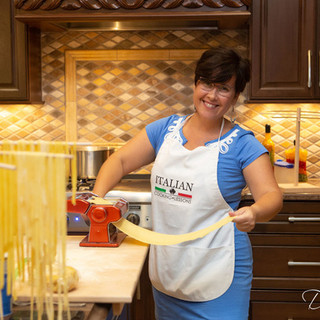
Do you want to learn more about Christmas celebrations? Diana has different cooking classes this month to offer! You can also book her for a private in home class.
Buy a GIFT CARD to give the best cooking experience to your loved ones. This thoughtful gesture not only provides them with the opportunity to explore new culinary skills but also allows them to indulge in their passion for cooking.


my daughter and grandson Peter Johnston took a cooking class with you and learned how to make tiramisu. He made it for the family for Thanksgiving it was a big hit! I hope he will take more cooking classes!