
Unveiling the Richness of Italian Culinary Traditions
Updated: Jul 25, 2025
Italian culinary traditions are a tapestry woven from centuries of history and culture. Each region of Italy boasts its own unique flavors and recipes that reflect local ingredients, local climate, and historical influences. Today, we embark on a delightful journey through the essence of Italian cooking that continues to capture the hearts—and palates—of food lovers around the world.

Exploring Italian Cooking Traditions
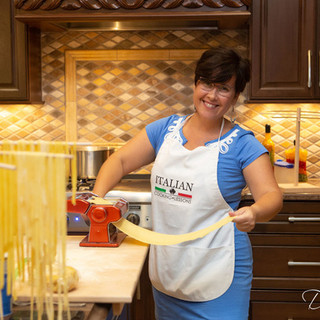
Italian cooking traditions are deeply rooted in the family and community. Meals are often seen as a time for connection, celebration, and sharing. Traditionally, families gather to prepare meals together, with each member contributing their flair. This tradition not only fosters strong bonds but also ensures that recipes are passed down through generations.
In Italy, food varies significantly from one region to another. For example, in the North, you’ll find creamy risottos and polentas made from corn. In contrast, southern Italy is famous for its robust tomato sauces, fresh seafood, and spicy heat. Seasonality also plays a significant role. Italians take pride in using fresh, local produce to create their dishes, which elevates the culinary experience with flavors that reflect the season.
Which is the Most Popular Italian Food?
When we think of Italian cuisine, certain dishes stand out as beloved classics. Pizza and pasta reign supreme globally, but some more regional favorites deserve a spotlight too.
Pizza - Originating from Naples, authentic Italian pizza has a thin, crispy crust topped with simple, high-quality ingredients like tomatoes, mozzarella cheese, and fresh basil. The Neapolitan pizza is a must-try for anyone wanting to experience Italian culinary heritage at its finest.
Pasta - There are countless varieties of pasta—spaghetti, lasagna, fettuccine—and each has its own place within Italian dining. Typical sauces like marinara and bolognese amplify the flavors and enhance the eating experience.
Risotto - Particularly popular in Northern Italy, it’s a creamy rice dish that showcases the skill of the chef. Ingredients like saffron for risotto alla Milanese or fish stock for risotto al nero di seppia create unique taste profiles that highlight the versatility of rice.
Tiramisu - You can’t talk about Italian food without mentioning this decadent dessert. Layers of coffee-soaked ladyfingers, mascarpone cheese, and cocoa powder come together to create an indulgent treat.
While these dishes enjoy popularity, the beauty of Italian cuisine lies in its diversity.

The Importance of Fresh Ingredients
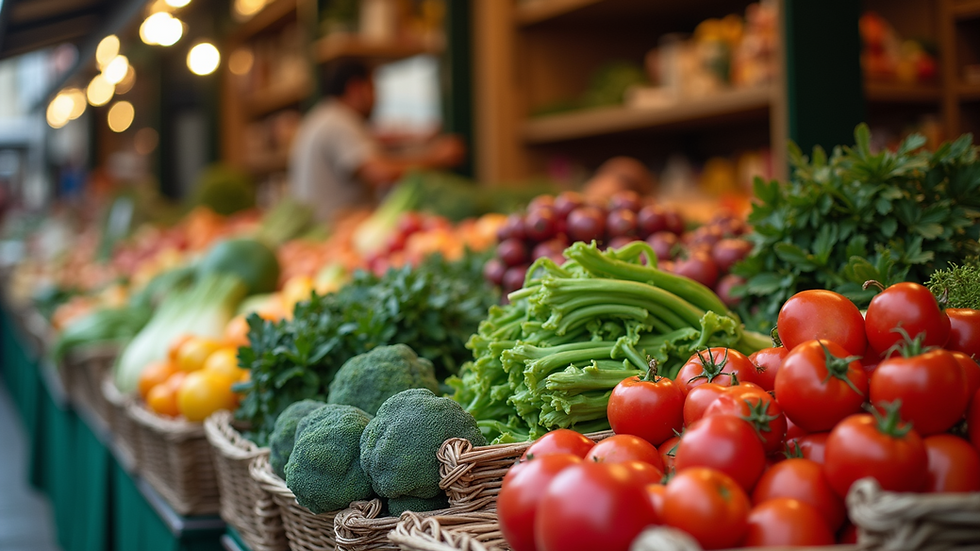
Fresh ingredients form the backbone of Italian culinary practices. Farmers' markets are commonplace in Italian towns, where locals find fruits, vegetables, and herbs at their peak. This access to fresh produce not only enhances the flavor but also promotes sustainable eating practices.
In Italian kitchens, staples like olive oil, garlic, and fresh herbs are key components. Olive oil, particularly extra virgin, serves as a base for many dishes, enhancing flavor and providing health benefits. Utilizing herbs like basil, oregano, and parsley adds depth and aroma to every meal.
When considering how to incorporate these principles into your cooking, prioritize seasonal and local ingredients. Connect with local farmers or explore farmers' markets to find the best produce. When you cook with what’s in season, you’ll not only create tastier dishes, but you will also support your local economy.
Regional Delicacies and Variations
Italian cuisine extends beyond recognizable dishes like pasta and pizza. Each region is home to specialties that represent local traditions and flavors.
Piedmont is known for truffles and rich risottos.
Tuscany features hearty meats and beans, often served with vibrant olive oil.
Napoli is famous for its seafood dishes and fresh salads featuring tomatoes and mozzarella.
Sicily offers a fusion of flavors, combining influences from North Africa with Italian ingredients, resulting in unique dishes like arancini.
By exploring these regional delicacies, you can experience the true breadth of Italian culinary traditions. Try experimenting with different recipes influenced by these regions for a more authentic connection to Italian cooking.

The Ritual of Sharing Meals
In Italian culture, sharing meals goes beyond mere sustenance; it symbolizes love, friendship, and community. Sunday lunches, large family gatherings, and festive occasions are often centered around elaborate meals that could last for hours.
Food is prepared with the intent of bringing people together. The kitchen becomes a space for laughter, conversation, and memories. When Italians invite you to their table, it is a generous act filled with warmth.
Consider hosting your own Italian-style meal. Invite friends and family over, prepare a variety of dishes, and take your time savoring each course. This immersive experience can lead to deeper connections and a full appreciation of Italian culture.
Final Thoughts
Italian culinary traditions are rich, vibrant, and incredibly diverse. From the emphasis on fresh, local ingredients to the regional specialties that highlight Italy’s vast culinary landscape, there is a world of flavor to explore.
By diving into these traditions, you not only develop your culinary skills but also celebrate a culture that cherishes food as a fundamental part of life. Whether you are enjoying a homemade pasta dish, savoring a slice of authentic pizza, or indulging in sweet tiramisu, remember that every bite tells a story.
For more insights, recipes, and tips, visit my website. Embrace the journey of Italian cooking, and share the joy of this incredible tradition with others.
Happy cooking!


Comments