
No cream in Carbonara!
- Diana Testa
- Mar 8
- 4 min read
Updated: Mar 11
Authentic Italian carbonara is a dish surrounded by passion and debate. One of the most common questions among pasta lovers is whether cream belongs in carbonara. Many recipes outside Italy add cream to create a rich sauce, but traditionalists insist that cream has no place in true carbonara. This article explores the origins of carbonara, the ingredients that define it, and why cream is not part of the authentic recipe. We will also discuss how to achieve the perfect creamy texture without using cream.

The Origins of Carbonara
Carbonara is a classic Roman pasta dish that dates back to the mid-20th century. Its exact origin story is debated, but it likely emerged after World War II, when American troops brought powdered eggs and bacon to Italy. Italian cooks adapted these ingredients into a simple yet flavorful pasta dish.
The name "carbonara" is believed to come from "carbonaro," meaning charcoal burner, possibly referring to the dish’s popularity among Italian charcoal workers or the black pepper that resembles coal dust. Regardless of its origin, carbonara quickly became a staple of Roman cuisine.
What Defines Authentic Carbonara?
Authentic carbonara relies on just a few key ingredients:
Guanciale: Cured pork cheek, prized for its rich flavor and fat content. It is the traditional meat used in carbonara.
Pecorino Romano: A sharp, salty sheep’s milk cheese that adds depth to the sauce.
Eggs: Whole eggs or a combination of whole eggs and yolks create the creamy texture.
Black Pepper: Freshly cracked black pepper adds spice and aroma.
Pasta: Typically spaghetti, though rigatoni or bucatini are also common.
Notably, no cream is used in the traditional recipe. The creamy sauce comes from the emulsification of eggs, cheese, and pasta water.
Why Cream Is Not Part of Traditional Carbonara
Cream is often added to non-Italian recipes to make the sauce thicker and creamier. However, this addition changes the dish’s character and masks the delicate balance of flavors.
Here are the reasons cream is excluded from authentic carbonara:
Historical authenticity: Traditional recipes from Rome never included cream.
Texture and flavor: The sauce’s creaminess comes from the eggs and cheese, which create a smooth, silky coating without heaviness.
Ingredient harmony: Cream dilutes the sharpness of pecorino and the richness of guanciale.
Culinary technique: The technique of mixing hot pasta with eggs and cheese creates a natural emulsion that is the hallmark of carbonara.
How to Achieve Creaminess Without Cream
The secret to creamy carbonara lies in technique and ingredient quality. Here are practical tips to get that luscious texture without cream:
Use fresh eggs: Fresh eggs or a mix of whole eggs and extra yolks add richness.
Reserve pasta water: The starchy pasta water helps emulsify the sauce and bind it to the noodles.
Work quickly: Toss the hot pasta with the egg and cheese mixture off the heat to avoid scrambling the eggs.
Grate cheese finely: Finely grated pecorino melts better and blends smoothly.
Cook guanciale properly: Render the fat slowly until crispy, then mix it with the pasta for flavor and texture.
Common Misconceptions About Carbonara
Many people confuse carbonara with other creamy pasta dishes like Alfredo or cacio e pepe. Here are some myths debunked:
Carbonara is not a cream sauce: The sauce is egg-based, not cream-based.
Bacon is not guanciale: While bacon can be a substitute, it lacks the unique flavor of guanciale.
Parmesan is not the same as pecorino: Pecorino Romano has a sharper, saltier taste essential for carbonara.
You don’t cook the eggs like scrambled eggs: The eggs should coat the pasta gently, not turn into curds.
Variations and Adaptations
While purists stick to the original recipe, many chefs experiment with variations. Some add peas, mushrooms, or substitute pancetta for guanciale. These can be delicious, but move away from the authentic Roman dish.
If you want a creamier texture without cream, try adding a splash of pasta water. This keeps the sauce traditional while enhancing its silkiness.
Why Respecting Tradition Matters
Food is culture, and recipes carry history. Respecting traditional dishes like carbonara honors the craftsmanship and heritage behind them. It also helps preserve culinary identity in a world of fusion and fast food.
That said, cooking is also about enjoyment and creativity. If you prefer cream in your carbonara, that’s fine for your kitchen. Just know that the authentic Roman carbonara is a celebration of simple ingredients and precise technique, not cream.
Final Thoughts on Authentic Carbonara Without Cream
Authentic carbonara is possible and delicious without cream. The creamy texture comes from eggs, cheese, and pasta water, combined with the rich flavor of guanciale and the sharpness of pecorino. Adding cream changes the dish’s essence and masks its delicate balance.
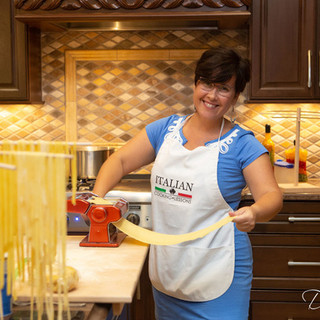
Diana teaches traditional dishes in her classes, focusing on a range of beloved recipes that showcase Italy's rich culinary heritage. Among the standout offerings are the iconic Carbonara and Cacio e Pepe. Each class is designed not only to impart cooking techniques but also to share the stories and cultural significance behind these dishes, allowing students to gain a deeper appreciation for the art of Italian cooking. Check the calendar for upcoming classes, where you can join fellow food enthusiasts to explore delectable recipes and more, ensuring a hands-on experience that will leave you with skills to impress friends and family alike!


Comments